
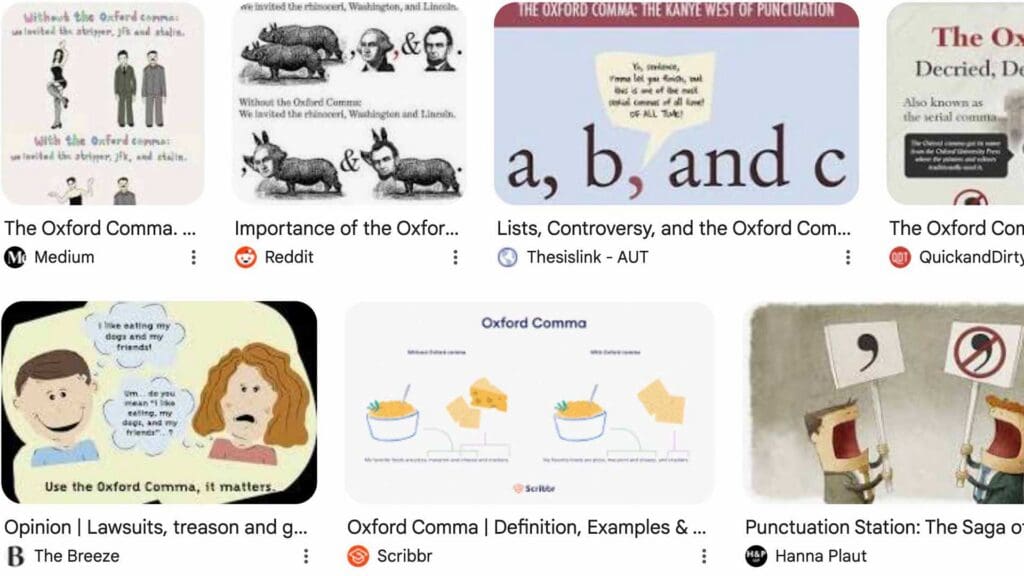
Getting rid of the Oxford comma would be a productivity boon. It would eliminate thousands of keystrokes, equivalent to writing a novel like War and Peace – or, as the Oxford commanists call it: War, and Peace.
One of the great comforts of the last Adelaide winter was knowing that a small group of its citizens huddled for warmth in debating issues such as using the Oxford comma.
OK, not a lot of them but certainly those in the social media circle radiating from the erudite and indefatigable Brian Miller. The Oxford comma is that extra one used when several items are listed as in: “The safest dishes here: are steak, schnitzel, fish, and chicken.” The Oxford comma rule is that it should be used unless the last two items are associated, as in: “The safest dishes here are: steak, schnitzel, fish and chips.”
So a breakfast of “Eggs, sausages, bacon, and coffee” should have the comma after bacon unless the breakfast comprises “Eggs, sausages, bubble and squeak” where bubble and squeak, being associated items, should not be separated by a comma.
Of course, getting rid of the Oxford comma would be a productivity boon. It would eliminate thousands of keystrokes, equivalent to writing a novel like War and Peace– or, as the Oxford commanists call it: War, and Peace.
But the important thing is that we care one way or another about things like commas. Just as more people should have cared when the Adelaide city council allowed the Grand Central Hotel to be pulled down and replaced with that hideous carpark.
The Oxford comma seems like a minor concern compared to its grievous omissions in simple sentences such as “What’s up Doc?” completely different meaning with “What’s up, Doc?” Or in “I like cooking my family and my pets” as against “I like cooking, my family and my pets.” Note the rebellious absence of an Oxford comma but a meaning improved 100% by one humble comma.
Mark Twain and The Kinks didn’t play at The Grand Central Hotel
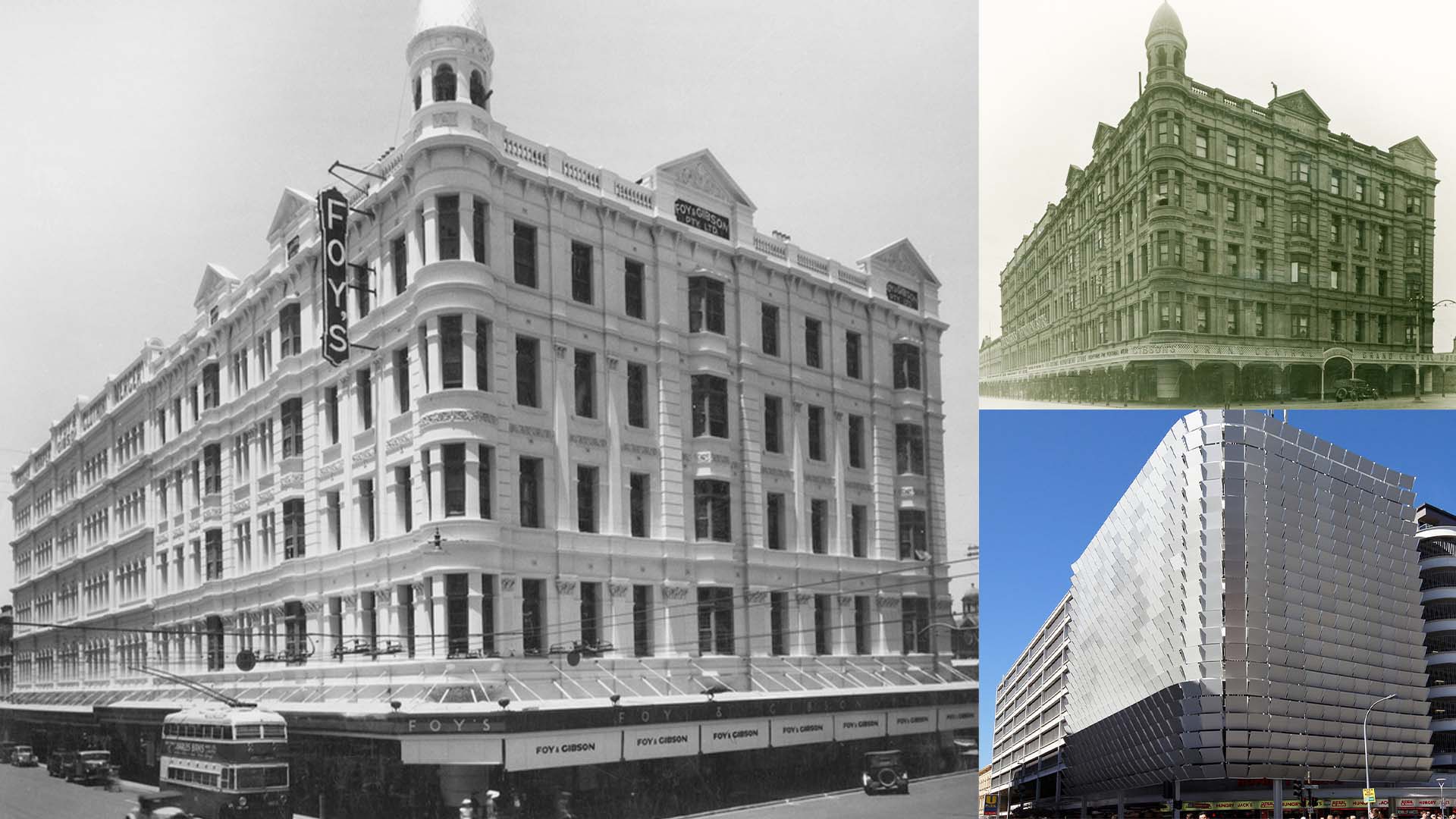
An instance where the Oxford comma is apparently needed is in this paragraph:
“Built in 1910, the Grand Central Hotel at the south-east corner of Rundle and Pulteney streets in Adelaide city. It was a prominent building, considered one of the best in the Commonwealth at the time. The hotel was demolished in 1976 to make way for a multi-storey carpark. It hosted its share of significant figures including The Prince of Wales, Sir Arthur Conan Doyle, Mark Twain, and The Kinks.”
‘The argument for the Oxford comma here is that “Mark Twain and The Kinks”, without a comma separating them, sounds like a wild 1970s band.