
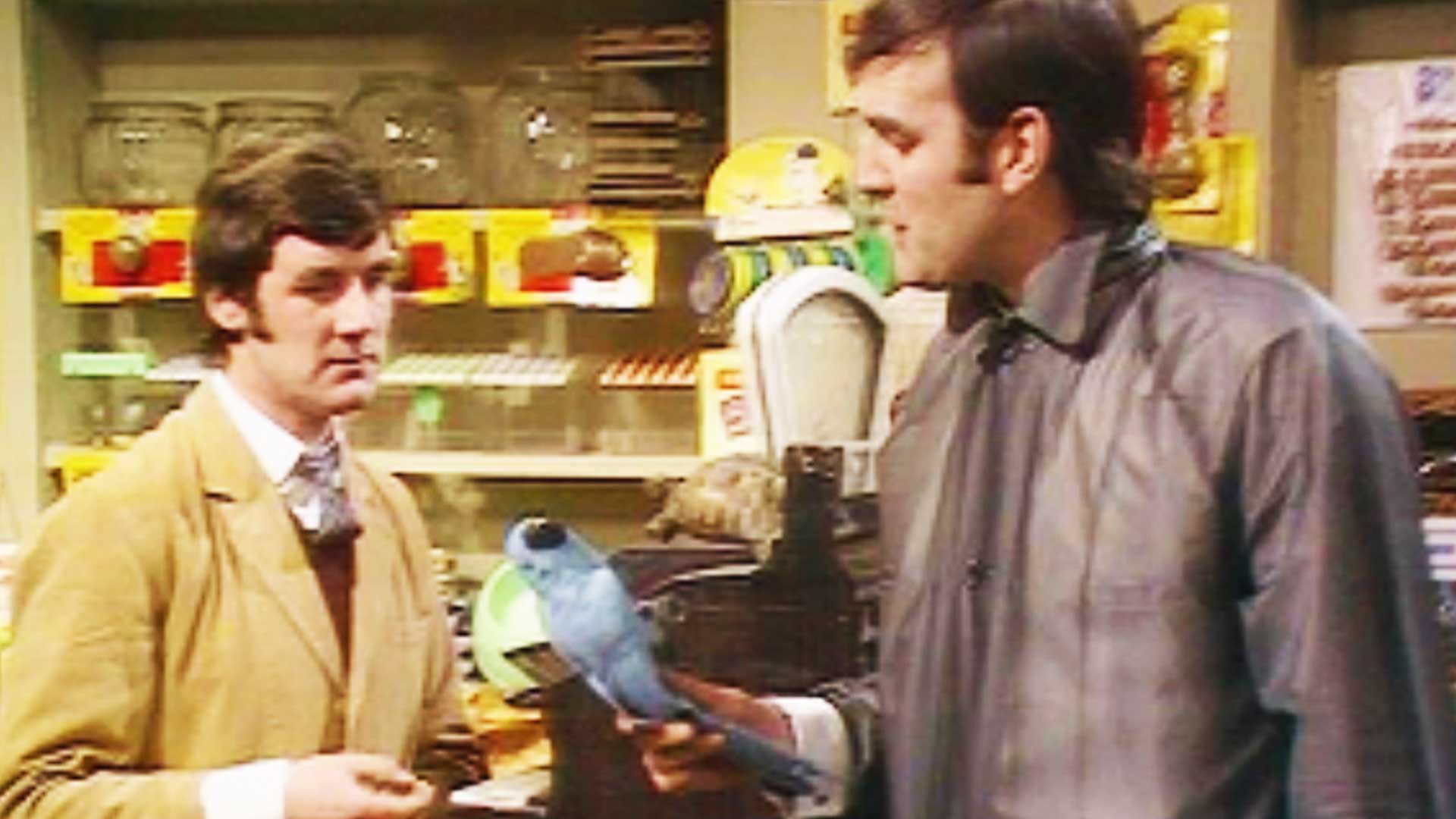
Would you want to spend eternity with those people with that special insight into how Heaven would be organised? Sounds like Hell.
Suddenly, no one was dying any more. They were passing away. Even some journalists were, shockhorrifyingly, partial to “passed away”.
The recent overnight linguistic death of dying – no more dead parrots, apparently – went beyond instant wildfire cultural ticks like everyone dropping “absolutely” and “awesome” superlative nothings. Obscuring dying with “passing away” reflected an understandable but worrying flaw in our psychological attitude to life.
Death is lot more than Nature’s little way of telling us to slow down. Death is an awful finality that should haunt us every day. Death should be the reason we look for comfort and meaning in everything we do every day.
“Passing away” is one of those awful American euphemisms to avoid the reality of our everyday functions. Thus toilets become “bath rooms”, “rest rooms” or “powder rooms”. Good old Aussisms like “bogs” are being flushed down the S bend. Of course, “passing away” has more than a hint of suggesting that death is not final; that we are passing away to an afterlife such as the Heaven Hypothetical.
Engaging in the Heaven Hypothetical only raises possibilities from the comical (at what human age – 18 or 80 – would individuals be living out this eternal bliss?) to the disturbing (would humans suddenly exist in harmony without their prejudices and hierarchies?) to the scary (would you want to spend eternity with those people with that special insight into how Heaven would be organised?). Sounds like Hell. Yes, it’s hard to deny those who find comfort in joining Mum and Dad (but does Uncle Bert really have to be there, too?) up there in Heaven.
But there is much more joy and meaning in not living as though life were a poor dress rehearsal; of living as though every day was precious as death’s deadline looms. Living in the thrall of a faith-as-fantasy hope such as Heaven only dilutes our urgency and energy in beating that deadline. Humans, individually and collectively, are generally in denial.
They avoid the project of exploring the overwhelming mystery of why there is a world or anything. This search for our ultimate truth is a project that would take generations – one generation caring for the future generations to carry on the project.
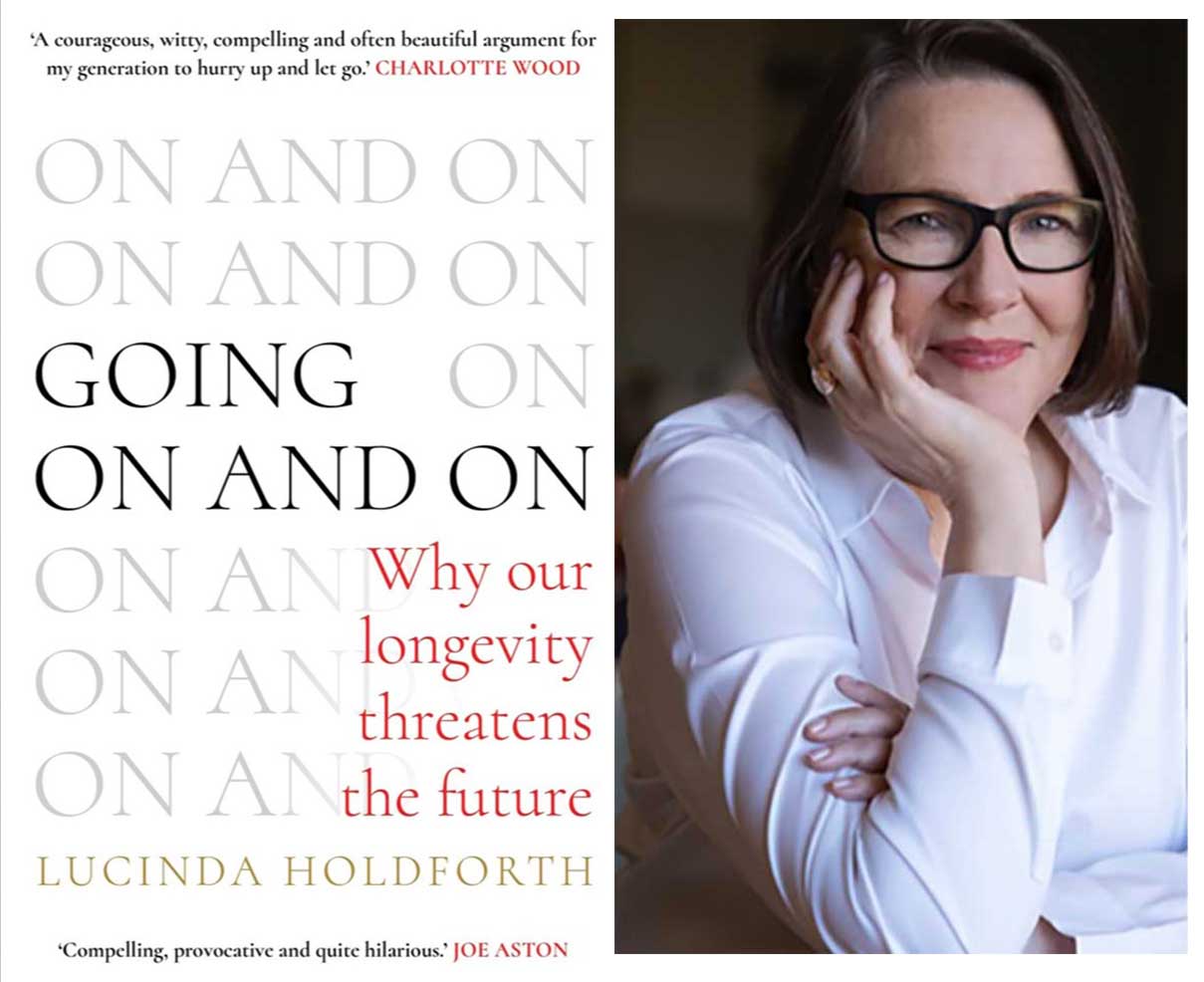
Australian author Lucinda Holdforth 2026 book Holding On and On: Why our Longevity Threatens the Future challenges our obsession with a long life at the expense of the next generations.
That ties in with a 2026 book by Australian author Lucinda Holdforth called Holding On and On: Why our Longevity Threatens the Future. Holdforth challenges our obsession with a long life at the expense societal and planetary benefits for the next generations. Holdforth urges the Baby Boomers to let go and accept the end of life.
Hopefully, the Baby Boomers – Australia’s first sex, Bex and rock’n’roll generation – will see no joy in the looming prospect of living past their Use By date in a medicalised vegetative state in the Dunrootin Nursing Home. They’ll hopefully adopt the Boomer-or-bust attitude to life that comes from having a perspective of their place in history. That means living with awareness of death for the right reason: to be as productive as we can, with all its positive benefits, before falling off the perch – dead parrotwise.
Smothering the reality of dying with “passing away” also smothers the precious reality of life. Language, so important in keeping that reality in our awareness, can soon be corrupted. Take the story of the young World War I Australian Digger being asked by an English army chaplain: “Son, did you come here to die?” And the Digger says: “No, I came here yesterdie”.